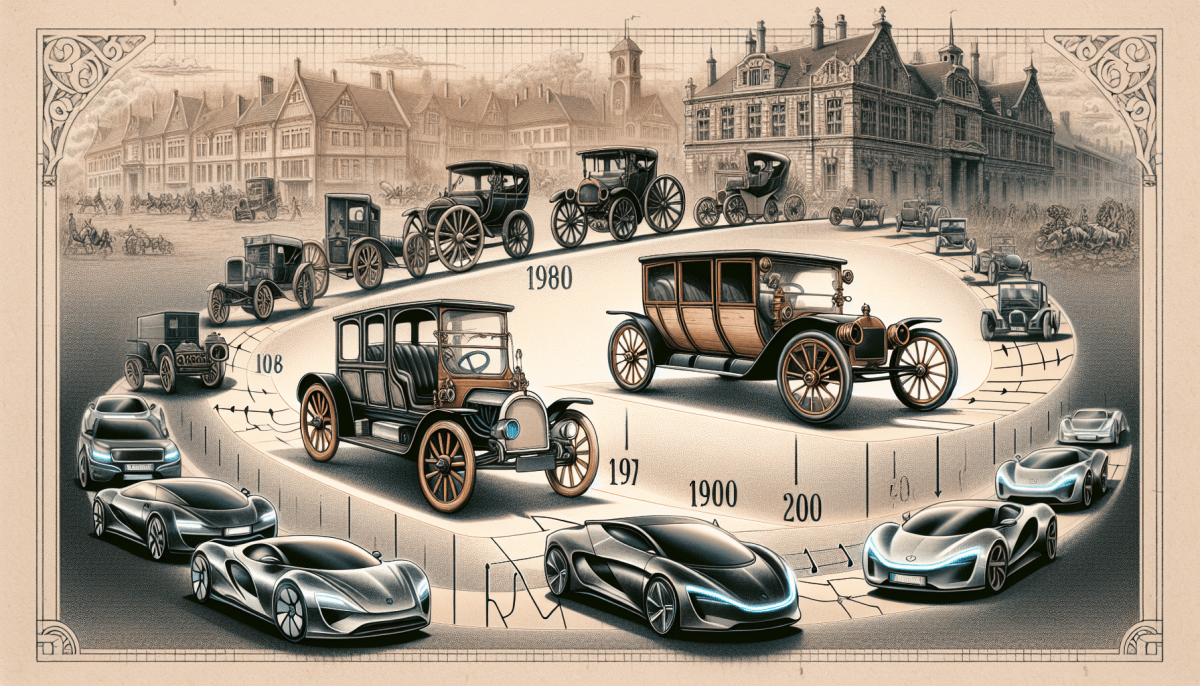
Electric vehicles (EVs) have come a long way, and their popularity is booming! More people are realizing that EVs aren’t just a trend; they're a smart move for the environment and your wallet. The journey really took off in the late 20th century when companies started bringing affordable battery technologies to the mainstream. This opened the door for everyday folks to consider making the switch.
Fast forward to today, and we’ve got an incredible variety of EVs on the market. You can find everything from compact city cars to sleek, luxury models. Major car manufacturers are jumping on the bandwagon, investing in EV technology like it's the next best thing. It’s like everyone wants a piece of the electric pie, and consumers are loving it!
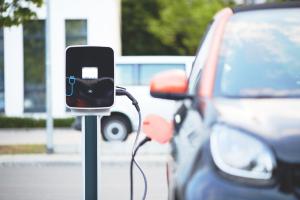
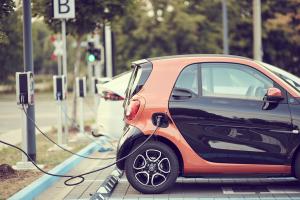
Charging stations are popping up everywhere, making it easier than ever to keep your EV powered up. No more worrying about running out of juice on long trips! Plus, many folks are installing home chargers, so they can fuel up overnight. It’s super convenient and gives you that warm, fuzzy feeling of being part of the green movement.
With governmental support, incentives, and a growing awareness of climate change, EVs aren't going anywhere. The future looks bright for electric vehicles. They’re not just a phase; they’re shaping the way we think about transportation and sustainability.
Key Milestones in EV History
The journey of electric vehicles has been quite the adventure! It all started way back in the early 1800s when inventors like Alessandro Volta and Thomas Davenport began experimenting with battery-powered vehicles. Imagine people riding around in little electric carriages—it was groundbreaking at the time!
Fast forward to the late 20th century, when environmental awareness began to kick in. The oil crisis in the 1970s lit a fire under the search for alternatives. This was when companies like General Motors rolled out their EV1, one of the first modern electric cars. It was exciting, but sadly, the project didn’t last long and left many fans heartbroken.
Then came the 2000s, and the real game-changer hit the market: the Tesla Roadster. This beauty showcased what electric cars could really do, proving they could be fast, stylish, and fun to drive. It shifted the way everyone viewed electric vehicles.
As we moved into the 2010s, mainstream car companies jumped on the electric bandwagon. BMW, Nissan, and Chevrolet rolled out popular models like the Leaf and the Bolt. Charging stations began popping up everywhere, making it easier for folks to plug in and recharge their rides.
Now, as we embrace the 2020s, electric vehicles have become a normal part of our roads. With advanced technology, longer ranges, and more affordable options, it’s clear that the future of driving is electric. The journey continues, and we're all in for an exciting ride!
Challenges Faced by Early EVs
Early electric vehicles (EVs) had a pretty rough start. Unlike today, they weren't supported with a solid charging infrastructure. You could say consumers were left hanging, searching for places to charge up as they went from A to B. Imagine running low on battery and having no clue where the next charging station is. Talk about anxiety!
Battery technology was far from what we have now. Early EVs relied on lead-acid batteries, which had limited range and took forever to recharge. Drivers often found themselves facing a situation where they could only go a few dozen miles before needing to plug in again. It was like constantly having to worry about running out of juice during the drive.
Price was also a big hurdle. Early electric vehicles typically came with a hefty price tag, making them a tough sell for average car buyers. Many people loved the idea of EVs but just couldn’t afford them. This restricted sales and slowed down their growth in the market.
To add to it all, there was a lack of understanding and readiness from the market. People didn’t fully grasp the benefits of electric cars, often thinking they were too complicated or they just didn’t fit their lifestyles. Early adopters had to deal with a lot of skepticism and hesitation.
The Future of Electric Vehicles
Another big player in the future of EVs is charging infrastructure. More charging stations are popping up everywhere, making it easier for people to own electric cars. With options like fast chargers and home chargers, it’s just a matter of finding the right setup that fits your habits. Imagine being able to charge your car overnight while you sleep!
Battery technology is also advancing at lightning speed. New developments mean batteries will last longer and charge faster, which makes EVs even more appealing. Think about how much time you could save with a quick charge while grabbing a cup of coffee!
And let’s not forget the environmental benefits. As more people switch to electric cars, we’ll see less pollution in our cities and a positive impact on climate change. The push for sustainable energy sources will only make EVs more popular. It’s not just about driving; it’s about driving towards a cleaner future.